UK’s New Online Gambling Regulations for 2025 Explained
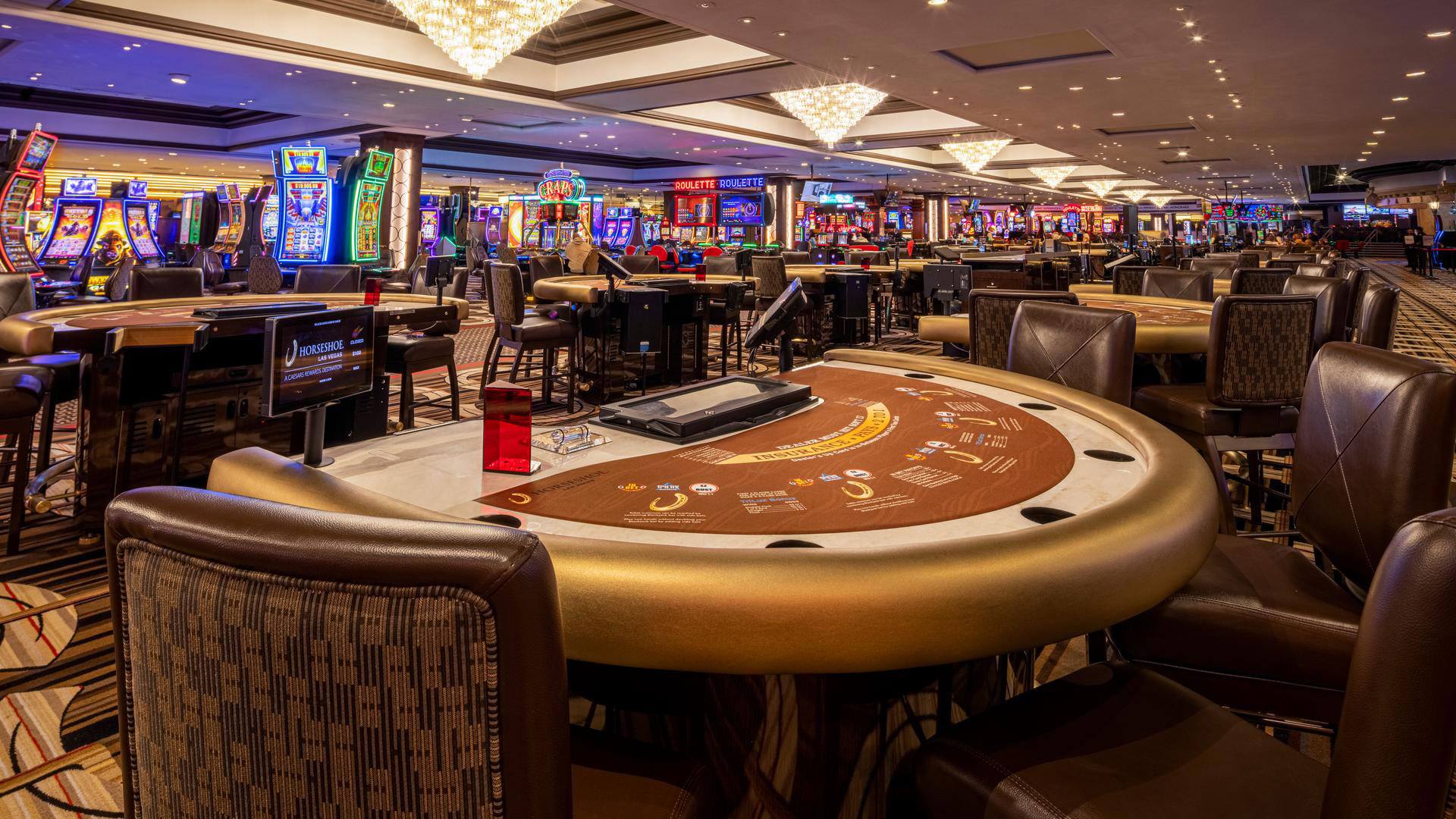
Opposition tended to come from those who are opposed to any increase in supply of gambling opportunities in land-based premises, while the industry was expectedly supportive. An identical proportion of respondents thought sports betting should be permitted as shouldn’t be permitted in land-based casinos, with a small number selecting ‘I don’t know’. As referenced in our response to the ‘Gaming machine allowance for 1968 Act casinos’ section, we acknowledge concerns from stakeholders about the necessity of a table gaming area requirement given the sliding scale includes a specified number of tables. These products do not count as gaming machines, but neither do they provide any of the benefits of a multiplayer table in contributing to a balanced mix or affording opportunities for social interaction.
When asked about the impact on GGY from sports betting, all operators stated that this would have either a slight increase or no impact on their overall GGY. It was also highlighted that sportsbooks are a common expectation in casinos in other jurisdictions, and this move would bring Great Britain’s casino experience in line with other countries. The same 12.5% rule that applies in 2005 Act casinos is also proposed to apply for 1968 Act casinos that seek to move onto the new regime. Furthermore, this exemption is tightly drawn to reduce any advantages that these casinos may gain compared to their competitors.
Marketing, advertising and terms and conditions
Providing facilities for gambling otherwise than in accordance with the terms and conditions of a licence is a criminal offence. Whilst this document does not constitute legal advice, it will assist gambling businesses by setting out some factors they should consider when assessing their processing of personal data. The integration of technology and the focus on responsible gaming practices will be key drivers in shaping a sustainable future for the industry. By employing decentralized systems, casinos can increase player trust and reduce fraud scenarios.
In February 2021, the Gambling Commission announced revised standards for online slot games to make them safer by design. In addition, the regulator also sets the Remote Technical Standards which outline the security and technical standards for remote gambling operations. While operators’ approaches to achieving this vary, the strengthened Gambling Commission rules which came into force in September 2022 and February 2023 clarify operator responsibilities around customer interaction and mandate consistency across the sector. Where needed, the actions taken must include encouraging or requiring a player to set limits, actively signposting to support services, suspending marketing in cases where there are strong indicators of harm, and unilaterally suspending or closing accounts. Services such as Gamban and BetBlocker also allow consumers to block access to gambling apps and websites on internet devices.
Anecdotal evidence shows that non gamstop sites only three of the 2005 Act casinos offer betting, representing about 0.2% of the total GGY for each of those casino premises. As outlined in the table below, we propose that casinos with a gambling area of 280sqm or less are allowed 16 machines, increasing by two machines for every additional 20sqm of gambling space, up to 40 machines. We propose that the number of machines is limited, based on the overall gambling area of the casino.
The Gambling Act 2005 created a partnership between the Gambling Commission and 368 licensing authorities in England, Wales and Scotland for the regulation of land-based gambling. Please upload any further evidence or any other information that should be considered as part of this consultation relating to an age limit on ‘cash-out’ Category D slot-style machines. Do you think premises should adopt voluntary test purchasing as a way to monitor under-18s activity on Category D ‘cash-out’ slot-style machines? While under-18s may make up a small proportion of total players, there is evidence that they do play on these machines. Granular data is not available on how many of these are ‘cash-out’ slot-style machines, which are in scope of this measure.

All casinos listed on UKVerifiedCasinos.uk are manually checked against this register as part of our editorial process. You can verify any casino’s licence status for free at the UKGC Public Register. In 2025 alone, the UKGC levied over £100 million in penalties against licensed operators for regulatory failures — demonstrating that the UK casino regulations 2026 carry real consequences. The UKGC has the power to issue fines, suspend licences, or revoke them entirely for operators that fail to comply. All seven casinos reviewed on this site comply with the current rules. Under the the casinos in our table, a £20 bonus now requires a maximum of £200 in wagering before you can withdraw.
Not regarded as gaming where there is no prize offered in “money or money’s worth”. Fantasy betting (payment to back a ‘league’ or ‘portfolio’ selection over a period of time, for example in relation to sport) Sports/horse race betting (if regulated separately to other forms of betting) It is anticipated that under the Crime and Policing Bill, which was introduced to Parliament in February 2025, the Commission will be granted yet further powers to more quickly and effectively take action against illegal gambling websites.
Our regulatory remit
- Starting 29 July 2026, a new licence condition will require land-based gambling operators to remove gaming machines deemed non-compliant by the Commission.
- We received a cross-industry submission from the Cashless Group, made up of casino, adult gaming centre and bingo sector operators and trade bodies, in response to Question 40 on harms and benefits of cashless gambling.
- Some submissions pointed out that a reliance on a high spending minority is not unusual in other sectors (such as air travel) and that higher than average spending on gambling is not in itself evidence of harm as discretionary income varies significantly across individuals.
- There has also been a decline in gaming machine usage in alcohol licensed premises.
- As outlined in section 1.1 above, online gamblers already have access to a range of tools to help them control their time and money spent gambling and there are rules governing their use (for instance deposit limit increases must take at least 24 hours to come into effect).
- MemberCheck offers sophisticated solutions that help casinos, along with the other regulated businesses, comply with anti-money laundering (AML) and counter-terrorism financing (CTF) regulations.
The Gambling Commission has clear rules for operators relating to marketing activities, including the promotion of sponsorship arrangements, which it will continue to enforce. Operators to cover costs of education for sportspeople and staff on gambling-related harm from an independent provider. In particular, we envisage that separate measures will apply to horse racing and greyhound racing due to the specific and long-established nature of the sectors’ relationships with gambling operators. As shown in Figure 12 below, gambling sponsors contribute around £45 million per year across the EFL’s three leagues (including Sky Bet’s title sponsorship).
Local risk assessments must take into account the licensing authority’s statement of licensing policy, and must be reviewed and updated to take account of significant changes in the local area. The Commission works in partnership with licensing authorities to regulate gambling and publishes guidance for them. Gambling Commission licence conditions require on-course bookmakers to have policies in place relating to open and fair gambling, problem gambling, protecting children and vulnerable people and anti-money laundering. On-course bookmakers are subject to regulation under the Gambling Act 2005 and must obtain a non-remote general betting (limited) operating licence from the Gambling Commission. However, other factors may influence this data, for example the closure of 8% (639) of betting offices in the same period.
The Behavioural Insights Team highlighted some research they had undertaken on individuals’ experiences of gambling management tools. Many of the responses from outside of industry were strongly in favour of staff alerts but argued that they needed to be complemented by staff training so that they can intervene in a meaningful way. Therefore, adding staff alerts when limits are hit would not serve as an additional benefit and could deter customers from setting limits or encourage them to set limits at much higher levels. Other parts of the industry were opposed to staff alerts, particularly the pub sector who stated that it would be difficult for staff to respond to an alert in a busy pub environment. Non-industry responses were supportive of staff alerts being mandated, while views were split across industry.
Players in the UK pay no gambling tax on winnings, one of the few places in the world where that is still true. UK gambling laws include strict measures to protect players and encourage responsible gambling. Separate licences cover software suppliers and the key individuals who run the business.
It Is the only form of sports betting not regulated by the UKGC. The Financial Conduct Authority is tasked with regulating spread betting. It is also possible for smaller lotteries to be held without a licence, but these still require registration with the local authority in place. The National Lottery is regulated by the UK Gambling Commission, but there are different legislative components applicable to licensing.
For bingo halls, based on a sample of approximately 60 percent of the market, it is estimated that the number of Category C and D cabinets in these venues will decrease by over 1,800. We received projections on the impacts of 50/50 for industry under the proposal outlined in Option 1. If it appears evident that the ‘available for use’ guidance is not working as intended following changes to the current regulatory framework, we will consider bringing forward secondary legislation to more directly deliver the intended machine mix. For example, numbers provided by the Bingo Association show that the number of bingo premises that offer mainstage bingo declined from 335 at the end of 2018 to 272 in March 2023. Challenges caused by rising energy costs are in addition to the longer-term commercial challenges faced by industry, particularly following the COVID-19 pandemic.
However, overall almost half of respondents from the arcade and bingo sector acknowledged that Option 3 posed a risk of increasing gambling-related harm. The only responses which challenged the risk of gambling-related harm under Option 3 came from respondents within the arcade and bingo sector. There was a general consensus across respondents that Option 3 presented the greatest risk of increasing rates of gambling-related harm. In arcade premises, 2.3% of Category B gaming machine sessions result in losses of £200 or more, compared to 2% of combined Category C, Category D and mixed sessions. In bingo premises, 1.6% of Category B gaming machine sessions result in losses of £200 or more, compared to 0.7% of combined Category C, Category D and mixed sessions.
Payment Methods – Getting Money In and Out
This suggests that, had the operator assessed the customer’s financial circumstances earlier and more effectively, they could have acted to reduce the extent of financial harm suffered. In a similar compliance case study identified by the Commission, a customer lost approximately £33,000 in three months without the operator carrying out any financial risk assessment. As such, the rate and level of spending would have been unaffordable for the vast majority of UK households, and likely to indicate harm. In a case which recently led to compliance activity by the Gambling Commission, a customer lost £36,000 in four days without appropriate financial risk assessment being carried out.
In the same period, the average number of gambling ads seen by under 16s more than halved from around 4.5 to just 2.2 per week, and the ads were predominantly for bingo and lotteries. The Gambling Commission’s social responsibility codes specify that operators should still apply the principles of the UK Advertising Codes to any content or media that falls outside of the remit of the codes. While ‘content marketing’ posts which do not directly advertise a product or service may fall outside of the ASA’s remit, they are a popular marketing strategy with which operators can drive brand engagement and loyalty. We want operators to make use of available technology to extend commitments to de-targeting children and vulnerable people and age-gating social media. In Gambling Commission’s Young People and Gambling report 2022, 44% of 11 to 16-year-olds had heard or seen adverts or promotions relating to gambling on social media, and 13% reported following a gambling account on social media.

The vast majority of responses came from industry representatives and local authorities, however, we also received a small number of responses from academics and individuals with lived experience of gambling-related harm. The evidence generated was diverse and was indicative of the varied positions of stakeholders, primarily arcade and bingo operators and licensing authorities. In making this recommendation we recognise the potential advantages that 1968 Act casinos may have over Small 2005 Act casinos that elect to move to the new regime, in terms of Schedule 9 payments and the portability of licences. This will help ensure that operators are operating within the regulations and enable licensing authorities to undertake appropriate licence checks.

The majority of respondents agreed that premises should adopt voluntary test purchasing as a way to monitor under-18s activity on ‘cash-out’ Category D slot-style machines. In relation to measures that venues should adopt to ensure no under-18s play on these types of machines, responses included additional staff checks on customers, staff training and placing machines in visible areas near cash desks or prize bars. Category C machines, which have a maximum stake of £1 and a maximum prize of £100, can only be played by adults in certain venues, such as pubs, betting shops, arcades and bingo halls.
By contrast, under Option 2, the same operator reported that it would be required to increase the number of Category C machines, resulting in increased costs. Industry respondents asserted that these machines are underused but energy intensive. Another large arcade operator estimated that a B3 cabinet gaming machine generates c.£600 per week, per machine. Responses from both the arcade and bingo sector show that Category B machines generate higher GGY on average than Category C and D machines, though responses indicated that the levels of GGY were higher in the arcade sector.
In order to offer this, operators will be required to hold relevant operating licences from the Gambling Commission. The white paper set out the intention for all casinos to be able to include a sportsbook as part of their product offering. A further advantage would be allowing operators to create an experience which competes with international gaming jurisdictions, and elevates the reputation of Britain as a gaming destination for international gaming tourists. For example, it may lead to increased popularity/GGY of casinos which could have knock-on benefits to surrounding businesses or other sectors which are closely interlinked with it, for example the food and beverage or advertising sectors.
Our intention is that these checks will also be frictionless for customers and conducted online by credit reference agencies or through other means such as open banking in the first instance. These enhanced checks are narrowly targeted and we estimate only around 3% of online gambling accounts will be affected. We also propose that the triggers for enhanced checks should be halved for those aged 18 to 24 given evidence on increased risk. Second, at higher levels of spend which may indicate harmful binge gambling or sustained unaffordable losses (we propose thresholds of £1,000 net loss within 24 hours or £2,000 within 90 days), there should be a more detailed consideration of a customer’s financial position. However, around 300,000 people in Great Britain are estimated to be experiencing ‘problem gambling’, defined as gambling to a degree which compromises, disrupts, or damages family, personal or recreational pursuits, and a further 1.8 million are identified as gambling at elevated levels of risk.
The intent of the Gambling Act 2005 is to provide licensing authorities with the ability to manage local risks and make decisions using local knowledge. Some licensing authorities expressed concern that their powers were not sufficient to apply local considerations and to shape gambling in their local areas when making licensing decisions. We propose therefore to work with the Gambling Commission and the bingo industry to look further at the options and conditions under which licensed bingo premises might be permitted to offer side bets. We have taken the Gambling Commission’s advice into account on this issue, which outlines some of the possible conditions that could be put in place to minimise any risk of side-bets leading to a wider range of games that may be unsuitable for licensed bingo premises being made available. Because the Gambling Commission requires that bingo is played as an equal chance game (i.e. each card has the same chance of winning as another card), the industry says there is no opportunity for customers to choose their own numbers (or colours) as opposed to them being chosen at random for them.
At the same time, it is also important that the ways licensing authorities approach local considerations across the country are consistent and follow the same framework principles. Although there is a workaround available to licensing authorities, and the Gambling Commission has published an advice note setting this out, the Commission also recommends that the legislation is amended to provide further clarity. The Gambling Commission also recommended that some clarifications and technical amendments are made to the Gambling Act 2005 to confirm that certain powers apply to licensing authorities and/or licensing officers in Scotland as they do in England and Wales.
Similar provisions of the Act relate to gaming and gaming machines in licensed premises in Scotland, but these apply to premises which have a premises licence granted under the Licensing (Scotland) Act 2005. 1968 Act casinos are limited to 20 gaming machines only, regardless of size, unless they restrict themselves to lower stakes machines only. The land-based sector includes casinos, licensed betting offices, licensed bingo premises, family entertainment centres, adult gaming centres, and on-course betting at racecourses.
The modern era of casino regulation in the UK commenced with the enactment of the Gaming Act of 1968, a pivotal moment in the country’s gambling history. Analyzing play live casino no deposit bonus codes provides a glimpse into how the industry adapts to changing regulatory landscapes while maintaining its appeal to players. In this article, we’ll explore the evolution of casino regulations in the UK, tracing the key milestones and developments that have shaped the industry over time. The regulation of casinos in the United Kingdom has a long and storied history, shaped by societal attitudes, technological advancements, and economic considerations. The articles published on SuperCasinoSites are intended to be used solely as informational resources, including our reviews, guides, and casino recommendations. “The ban, which applies to all online and offline gambling products except non-remote lotteries, will provide a significant layer of additional protection for vulnerable people.“
This indicates that unless customers actively plan to bring cash to a pub for use on a gaming machine, they are unlikely to be able to use one. Anecdotal industry evidence suggests that payment methods are a factor in this decline in machine usage, as pub goers now pay for food and drink by card but might have previously played a machine using spare change. There has also been a decline in gaming machine usage in alcohol licensed premises. Land-based gambling has a significantly larger workforce than online gambling. Some licensed betting offices also use a cross-channel digital wallet that can be topped up at cash desks as well as on the operator’s website and used on machines.